Street Eagle Graffiti: A Bold Display Font for Crafters & Sellers
Street Eagle Graffiti for Handmade Product Labels and Packaging Design
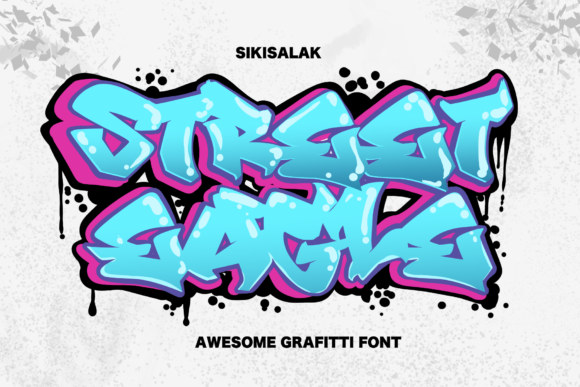
Street Eagle Graffiti is a display font with unmistakable streetwise energy—think bold outlines, subtle spray-paint texture, and confident, slightly uneven letterforms that feel hand-drawn but remain highly legible at scale. As a display font, it’s not meant for paragraphs—but it shines on candle jars, soap tags, boutique gift boxes, and small-batch food packaging where you need instant visual impact and brand personality. I’ve used Street Eagle Graffiti on kraft paper labels for artisanal hot sauce bottles, and customers consistently comment on how “authentic” and “memorable” the typography feels. Because its letter spacing and weight hold up well at 14–24 pt sizes, it cuts cleanly on Cricut and Silhouette machines—even on 1.5-inch sticker sheets. Just avoid tight kerning on tiny tags; let those letters breathe to preserve readability.
Street Eagle Graffiti for Tote Bags, T-Shirts, and Apparel Design
When you’re designing merch for local markets or Etsy shops, Street Eagle Graffiti delivers commercial-ready appeal without sacrificing handmade charm. This display font works especially well for short slogans (“Made With Love,” “Local & Loud,” “Small Batch, Big Flavor”), shop names, or city pride phrases—ideal for screen-printed tees, embroidered totes, or heat-transfer vinyl projects. Unlike overly distressed graffiti fonts that blur at distance, Street Eagle Graffiti maintains clarity from three feet away, so your apparel stays readable in photos and real life. Pair it with a clean sans serif (like Montserrat or Poppins) for care instructions or sizing charts—this contrast keeps your design balanced and professional. And yes—it’s fully compatible with Procreate, Canva, and Adobe Illustrator, making it easy to prep layered SVG files for cutting machines or PNG mockups for your listings.
Street Eagle Graffiti for Wedding Welcome Signs and Rustic Wall Decoration
Street Eagle Graffiti brings unexpected warmth and character to wedding stationery and farmhouse-style wall decor—especially when you want to balance modern edge with rustic sincerity. Think “Welcome to Our Day” on a reclaimed wood sign, “Mr. & Mrs.” above a photo backdrop, or “Love Wins” in a printable wall art set. As a display font, it holds presence on large-format prints (24×36″ posters, chalkboard-style canvases) while still feeling intentional and curated—not chaotic or juvenile. For digital printables, I recommend using Street Eagle Graffiti only for headlines and names; pair it with a soft serif (like Playfair Display) or airy script for ceremony programs or menu cards. Its strong baseline and open counters prevent ink bleed on matte cardstock, and it previews beautifully in Canva’s mockup generator—no pixelation, no awkward spacing.
Street Eagle Graffiti for Printable Invitations and Greeting Card Templates
If you sell digital downloads on Etsy or Creative Market, Street Eagle Graffiti adds premium distinction to invitation suites, birthday cards, baby shower announcements, and graduation templates. It’s expressive enough to convey celebration and personality—but controlled enough to avoid clashing with floral motifs, minimalist layouts, or foil-pressed textures. Use it for guest names, event titles (“The Smith Family Reunion”), or playful headers like “Let’s Eat!” on picnic invites. Because it’s a display font, keep body text in a neutral companion face—avoid stacking multiple decorative fonts. Bonus: Street Eagle Graffiti scales gracefully across devices, so your Canva-editable templates stay crisp whether opened on a phone, tablet, or desktop. Customers love that they can personalize names without breaking the design flow.
Street Eagle Graffiti for Logotype and Small Business Branding
For makers launching their first brand—whether it’s a ceramic studio, vintage resale shop, or indie coffee roaster—Street Eagle Graffiti serves as a powerful logotype foundation. It’s distinctive without being gimmicky, urban without feeling cold, and handcrafted without sacrificing polish. As a display font, it anchors logos best when paired with minimal supporting elements: one-color builds, simple icon integration (a line-drawn eagle, geometric sunburst), or smart negative space use. I’ve seen it work beautifully on woven labels for aprons, stamped tin signs for café counters, and even engraved wooden coasters. Just remember: this is a commercial font, so verify your license covers physical product sales, digital templates, and client deliverables before bundling it into SVG bundles or Canva templates.
Street Eagle Graffiti for Seasonal Crafts and Holiday Product Packaging
From Halloween “Trick or Treat” banners to Christmas market tags reading “Hand-Poured • Small Batch • Made Here,” Street Eagle Graffiti adds seasonal spirit without looking dated or cartoonish. Its graffiti-inspired rhythm gives movement to static text—perfect for festive bunting, mug designs, or ornament silhouettes. Because it’s built for display use, it performs reliably across mediums: laser-cut wood ornaments, sublimated mugs, vinyl decals for windows, and printable advent calendars. For holiday stickers or planner inserts, reduce tracking slightly and test print at 100% scale—its sturdy letterforms hold up better than delicate scripts under repeated handling. And unlike many trend-driven fonts, Street Eagle Graffiti avoids overused slang or dated slang references, giving your seasonal products lasting shelf appeal beyond December 26.
How to Pair Street Eagle Graffiti With Other Fonts
- For contrast: Pair with a neutral sans serif (Inter, Lato) for body copy, tags, or ingredient lists.
- For elegance: Combine with a refined serif (Cormorant Garamond, EB Garamond) on wedding or boutique packaging.
- For cohesion: Use alongside a complementary handwritten font (only for accents—never headlines) to soften its boldness.
Always preview pairings at actual size—what looks balanced on screen may overwhelm on a 2-inch product tag. And check your file package: Street Eagle Graffiti typically includes OTF and TTF formats, basic OpenType features, and multilingual Latin support—enough for English, Spanish, French, and German product labeling without extra licensing steps.